Bathroom tiles do more than cover walls and floors; they set the tone for the room while withstanding humidity, splashes, and daily wear. This guide explains bathroom tiles, from materials and finishes to installation tips and maintenance. Written to help homeowners, designers, and DIYers make choices that balance style, performance, and value, the content aligns with trusted industry guidance and practical experience.
Understanding your bathroom tile options
When selecting bathroom tiles, consider where they will be used (floor, shower walls, backsplash) and how much moisture they must endure. Porcelain and ceramic tiles are the most common choices, with porcelain offering superior water resistance and durability, and ceramic providing cost efficiency and easy cutting. Natural stone offers a premium look but requires sealing and ongoing maintenance. Glass tiles can create light and depth but may need careful installation to avoid glare. For backsplashes and shower niches, consider glazed ceramic or glass for easier cleaning and color retention.
Key tile materials
Porcelain and ceramic are both fired ceramic products, but porcelain is denser and has lower water absorption, making it ideal for floors and wet rooms. Porcelain tiles are usually through body or glazed after firing, giving long lasting color. Ceramic tiles are versatile, more affordable, and available in a wide range of patterns but may require more frequent sealing in some environments. Natural stone such as marble, granite, and limestone provides a luxurious look but requires sealing, stain protection, and periodic resealing. Glass tiles add brightness and reflectivity, great for walls or accents; they are non porous and resistant to stains but can be slippery on floors and require precise grout work. Enamel or metal edged tiles offer modern details but may be more niche in application.
Finishes and textures
Glossy finishes reflect more light and are easier to wipe clean, but water spots and smudges show more; matte finishes conceal marks and are slipping more forgiving on walls, yet some varieties can be harder to keep spotless in busy bathrooms. Textured or tactile tiles add grip and visual interest; they work well on floors in wet areas while ensuring adequate slip resistance. For showers and floors, choose glazed or textured surfaces with a slip rating suitable for wet conditions. Un glazed options offer natural stone or rustic looks but require sealing and more care to prevent staining.
Design trends and color palettes
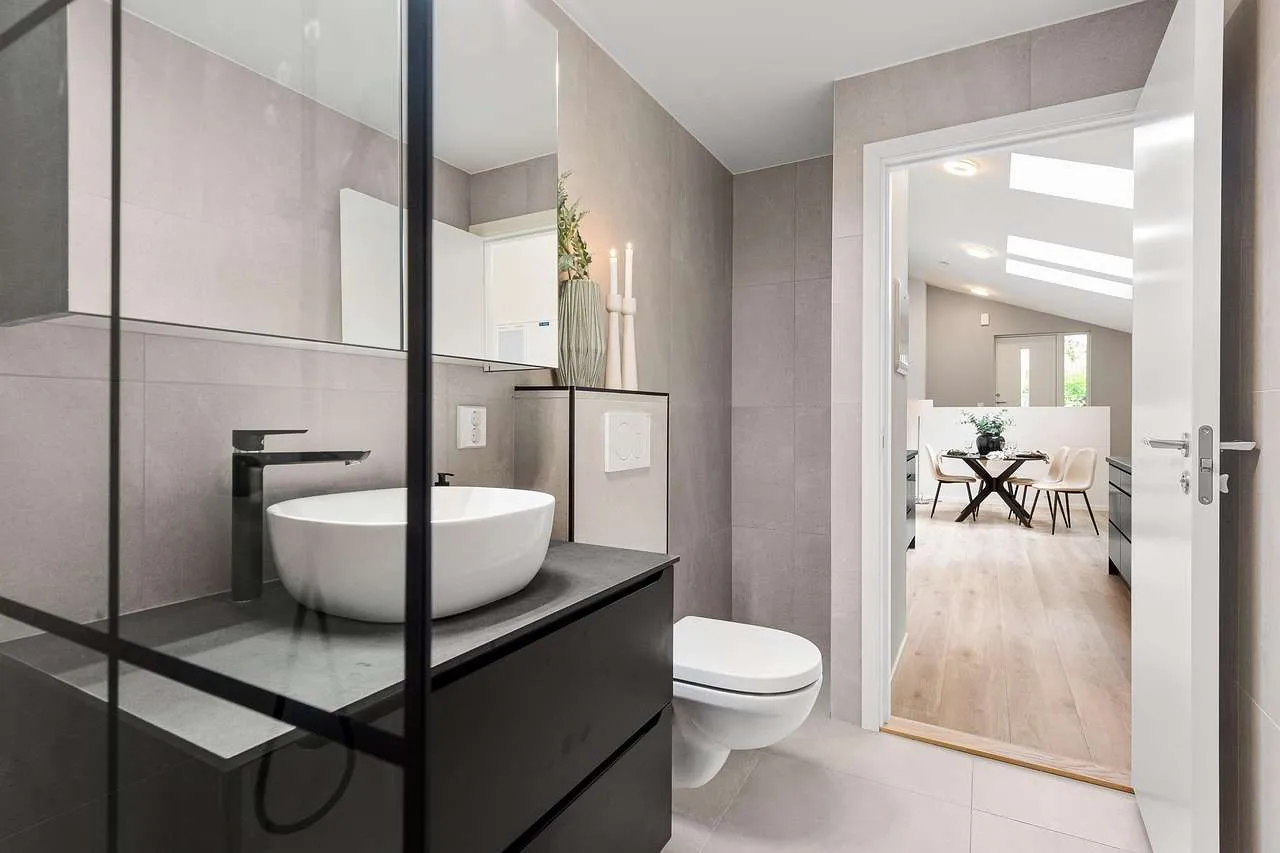
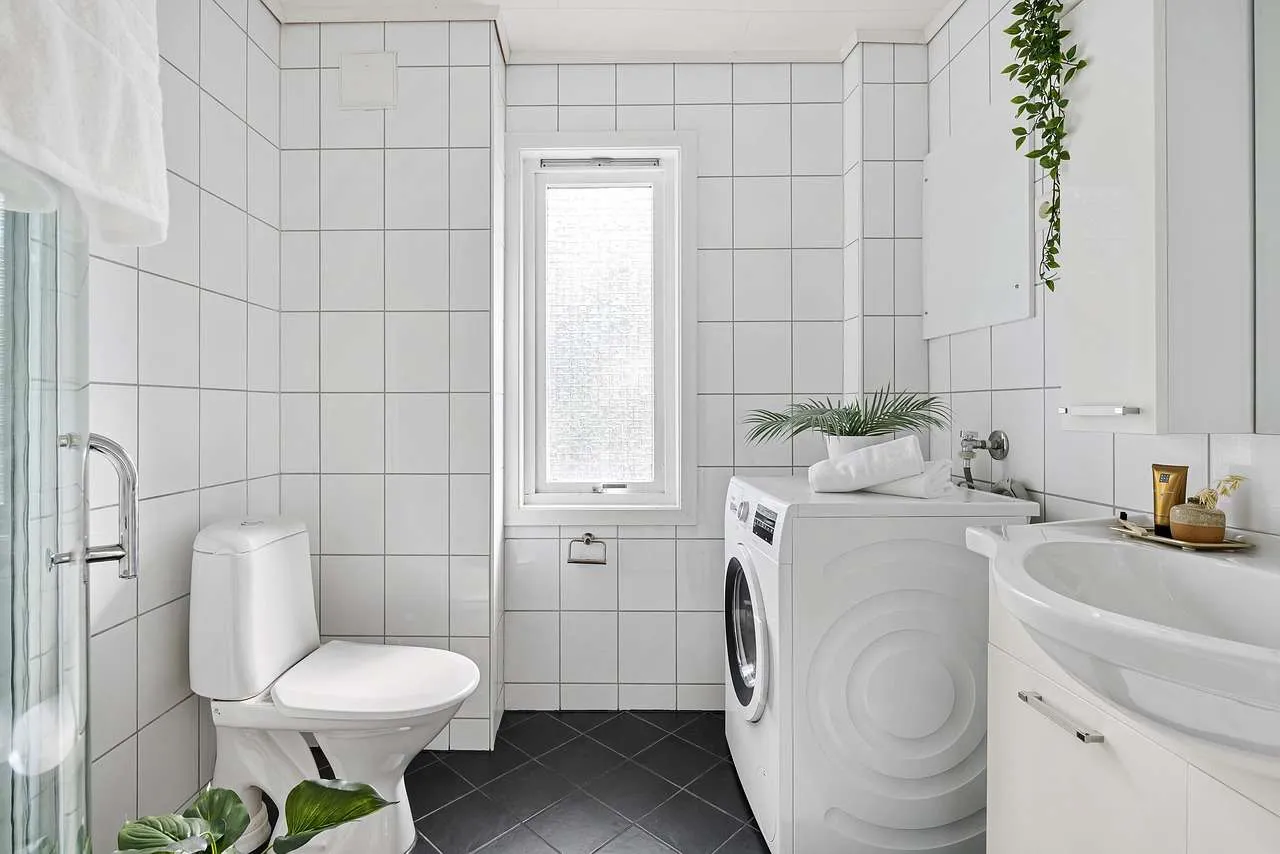
Neutral tones such as taupe, gray, and white remain timeless and pair well with wood tones and brushed metal fittings. Large format tiles create a seamless, fewer-grout-line effect and can make small bathrooms feel bigger. Subway tiles still popular in stacked, herringbone, or vertical layouts for a retro-modern vibe. Bold accents, colorful borders, and patterned encaustics provide personality without overwhelming a space. When planning, consider natural light, ventilation, and the room size to guide tile size, color, and pattern choices that enhance perceived space and comfort.
Durability, maintenance, and installation tips
Prepare a solid substrate and ensure proper waterproofing in wet areas before laying tile. Seal natural stone and maximize grout sealing; use grout colors that resist staining and are easy to clean. Clean tiles with pH neutral cleaners and avoid acidic solutions on stone. Regularly inspect and repair chips or cracks to prevent water ingress. Maintain ventilation to reduce mold risk and regrout as needed every few years in high humidity bathrooms. For best results, hire a qualified tile installer, especially for showers and floors, to ensure proper waterproofing and long-term performance.
Cost considerations and planning
Tile costs vary by material and region. Porcelain and ceramic tiles typically range from 1 to 7 per square foot for tile itself, while natural stone can be 5 to 15 per square foot. Installation adds labor costs that depend on tile size, layout, and complexity. Larger formats reduce grout lines but require careful cutting and flat substrate. Budget for waterproofing, underlayment, and potential underfloor heating if desired. Request samples and test color and texture in your space before ordering, to ensure your choice meets both aesthetics and functionality.
Comparison of tile options
| Tile type | Pros | Cons | Best for | Approx price per sq ft |
|---|---|---|---|---|
| Porcelain | Highly durable, low water absorption, versatile | Higher upfront cost, cold underfoot | Floors and showers | 3-7 |
| Ceramic | Affordable, wide design range, easy to cut | Less dense, higher absorption than porcelain | Walls and backsplashes | 1-4 |
| Natural Stone | Luxurious, unique patterns | Porous, requires sealing and maintenance | Feature walls and showers with proper care | 5-15 |
| Glass | Reflective, modern, non-porous | Slippery on floors, visible grout lines | Accent walls, borders, bright spaces | 6-12 |
Conclusion, choosing bathroom tiles requires balancing water resistance, durability, and style. Porcelain and ceramic meet most budgets and projects, natural stone adds luxury with maintenance needs, and glass offers visual brightness for accents. Focus on room usage, slip resistance, and cleaning routines, then plan with a professional installer to ensure waterproofing and a long lasting finish that adds value to your home.